
by Dr Bibiana Chan
The evolution of communication modes is an intricate tapestry woven with the threads of technological advancements, cultural shifts, and societal needs. This journey, spanning from the days of telegrams and handwritten letters to the lightning-fast realm of social media, illustrates how each era has reshaped the way we connect, share, and exchange information.

In the 19th century, the emergence of telegrams marked a watershed moment in communication history. Samuel Morse, a trailblazing inventor, electrified the world with his Morse code, a system of dots and dashes that could be transmitted over long distances. The famous transmission of the message “What hath God wrought?” from Washington to Baltimore on May 24, 1844, demonstrated the potential of this revolutionary technology. Telecommunications shifted from being solely oral or written to a blend of both, enabling rapid exchanges across regions. Although telegrams offered a relatively swift means of communication, their operation demanded skilled operators, and their brevity was dictated by cost, as messages were charged per word. On the other hand, handwritten letters retained their intimacy, carrying not just words but the emotions, thoughts, and sentiments of the sender. However, they were bound by the constraints of time, often taking days or even weeks to reach their recipients. This experience resonates with my own journey as an overseas student in Sydney, where I regularly sent letters to family and friends in Hong Kong, eagerly awaiting their responses.

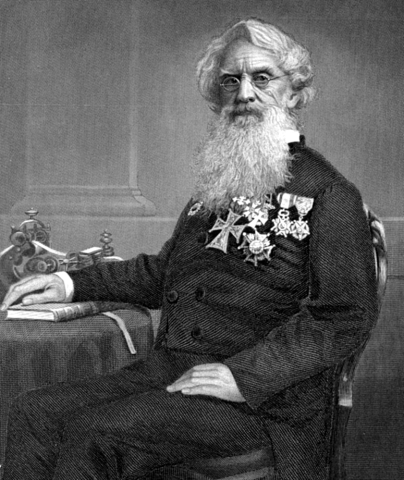
The late 20th century brought about a technological leap that forever changed communication—the invention of electronic mail or email. Raymond S. Tomlinson, an American computer programmer, stands at the forefront of this revolutionary shift. In 1971, Tomlinson implemented the first email program on ARPANET (Advanced Research Projects Agency Network), a precursor to the modern internet. This groundbreaking system enabled users on different hosts to exchange messages, using the “@” symbol to differentiate user names from machine names. This innovation fundamentally altered communication methods and earned Tomlinson a well-deserved place in the Internet Hall of Fame. The advent of the internet and email bridged geographical distances, allowing people to exchange messages, files, and information with unprecedented speed. However, despite its convenience, email communication was not as instantaneous as today’s modes, often requiring several hours or even days for delivery due to network limitations and server speeds.

The 1990s brought the Short Message Service (SMS) into the communication landscape. In 1992, British software engineer Neil Papworth sent the world’s first SMS, a simple yet profound “Merry Christmas.” This marked the beginning of a new era of quick text communication. Mobile phones, becoming increasingly widespread, facilitated the exchange of concise messages, significantly reducing response times compared to emails. The introduction of smartphones further transformed communication, enabling multimedia messaging platforms like WhatsApp (launched in 2009). WhatsApp messages facilitated near-instantaneous communication, often reaching recipients within seconds, regardless of their geographical location.

The 21st century dawned with a seismic shift in communication dynamics through the proliferation of social media platforms. Facebook, Twitter, Instagram, and TikTok, to name a few, transformed communication patterns from predominantly one-to-one or one-to-few interactions to one-to-many or many-to-many engagements. These platforms allowed individuals to share real-time updates, photos, videos, and stories, transcending the confines of physical boundaries.
However, the unprecedented speed of communication in this digital age has given rise to new challenges—heightened expectations for response times. In the context of emails, a timely response is generally expected within 24 to 48 hours, depending on the nature of the message. The ubiquity of smartphones and constant connectivity has contributed to an increasing sense of urgency in communication. Responding within a few hours is often appreciated, even in professional settings. Messaging apps like WhatsApp have set even higher expectations for immediacy. With their real-time nature, these platforms anticipate swift responses within minutes or hours. This has led to a constant sense of availability and responsiveness, often blurring the lines between work and personal life.
As communication continues to accelerate, concerns about the depth and quality of interactions have emerged. The pursuit of immediacy sometimes comes at the cost of subtleties such as body language and tone, which are integral to meaningful communication. Face-to-face interactions, personal touches of handwritten letters, or the thoughtfulness of longer emails are replaced by brief digital exchanges, supplemented by emojis that, while useful, may not always capture the intended emotions. This can lead to miscommunication and add unnecessary stress to daily life.
In summary, the evolution of communication modes reflects the journey from patient anticipation to instant gratification. From the days of telegrams and handwritten letters requiring time and patience, to emails and messaging apps providing quicker responses, and finally to the real-time engagement of social media, each mode has been shaped by and has mirrored the pace of societal progress. While the convenience of instant communication is undeniable, finding a balance between speed and meaningful interaction remains vital in our constantly evolving digital landscape. This shift also raises important questions about its impact on psychosocial development and the quality of human relationships, underscoring the need for mindful engagement in our modern communication age.